AI-Generated Images in Games: Useful Tool or Creative Shortcut?
[02,01,2026]
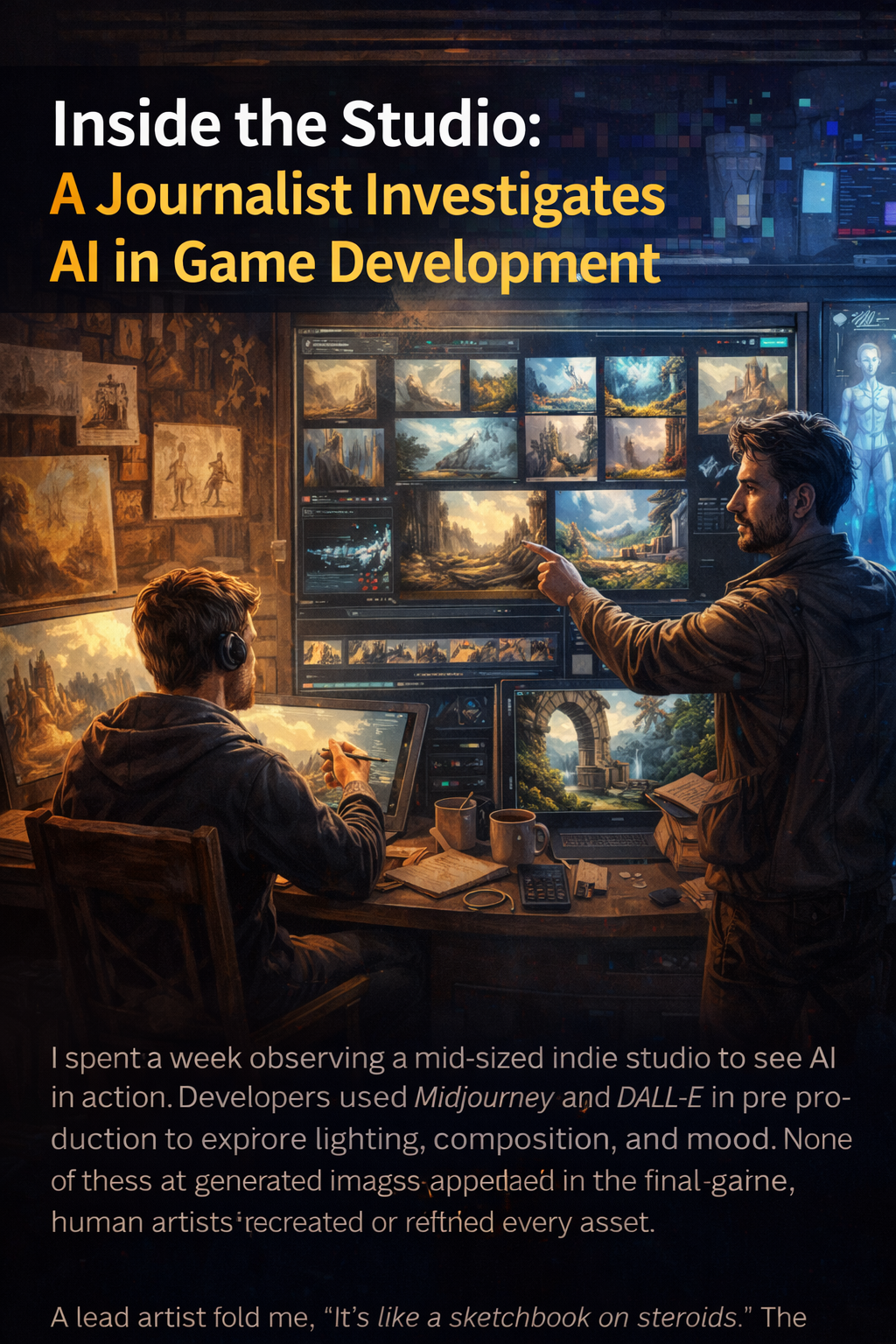
AI-generated images are popping up more and more in game development, especially in the early stages. Studios use them for things like concept art, placeholder textures, or quick visual mockups—basically to get ideas on screen fast before real artists come in and do the final work. From a production standpoint, that speed can be extremely helpful.
But this is where things get tricky. Recent backlash around games like Clair Obscur: Expedition 33 shows how quickly things can go sideways. Even when AI art is only used temporarily, players often feel blindsided when developers are not upfront about it. There is a growing fear that AI is quietly replacing human creativity—or worse, being trained on artists’ work without consent.
The real issue is not simply “AI bad, humans good.” It is about how AI is used and how honest developers are about that use. When AI supports artists and studios are transparent, many players seem willing to accept it. When it feels hidden or like a shortcut around creative labor, trust disappears almost instantly.
That is why AI-generated imagery has become such a major ethical conversation in modern game development. The debate is not just about technology—it is about respect, transparency, and keeping players informed.